作品Free Graded Reading
狢The Mujina
Mujina
by 田中 貢太郎 · Tanaka Kōtarō
A faceless ghost and a terrifying soba shop encounter.
About this story
 About this story
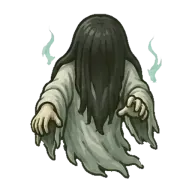
A merchant encounters a weeping woman at night who reveals a faceless face.
Read a sample in Japanese
 Read a sample in Japanese
Source
 Source
This text comes from Aozora Bunko (青空文庫), the volunteer-run library of Japanese writing that is out of copyright. See this work on Aozora Bunko
Base edition (底本): 「怪奇・伝奇時代小説選集3 新怪談集」春陽文庫、春陽堂書店
1999(平成11)年12月20日第1刷発行
Typed in by Hiroshi_O. Proofread by noriko saito.
Yomimaru has not changed the spelling or the wording.
The furigana are Yomimaru's.
What you'll learn
 What you'll learn
A merchant walking through Kii no Kuni-zaka at night sees a weeping woman under a willow tree. He tries to comfort her, but when she lifts her face, it is blank—no eyes, no nose. Terrified, he flees to a soba stall, where the owner reveals the same faceless face, causing the merchant to faint. The story explains that badgers (mujina) living in the area were responsible.
Key vocabulary
 Key vocabulary
| 紀の国坂 | Kii no Kuni-zaka (a slope in Tokyo) |
|---|---|
| のっぺら坊 | faceless ghost / blank-faced monster |
| 夜鷹蕎麦 | night hawk soba (street stall noodle shop at night) |
Grammar points you'll meet
 Grammar points you'll meet
- ~通りかかる N3to happen to pass by
某商人が深更に赤坂の紀の国坂を通りかかった。
- ~てっきり~と思った N2was convinced that... (often mistaken)
商人はてっきり身投げ女だと思った。
- ~なり~た N1as soon as (verb in plain form) + なり, (second action)
商人は一声叫ぶなり坂を四谷の方へ逃げあがった。
Cultural notes
 Cultural notes
- 幕末The Bakumatsu period (1853-1867) was the final years of the Edo shogunate, marked by social upheaval and the opening of Japan.
- 夜鷹蕎麦Night-time soba street stalls (yotaka soba) were common in Edo, serving as quick meals for late-night workers and travelers.
- 狢 (mujina)In Japanese folklore, mujina (badgers or raccoon dogs) are shape-shifters known for playing tricks on humans, often pretending to be faceless ghosts.
Try a comprehension question
 Try a comprehension question
What did the merchant first think the woman under the tree was?
- A ghost
- A thief
- Someone about to drown herself
- A badger spirit
Sensei's reading tip
 Sensei's reading tip
Pay attention to onomatopoeia like しくしく (sobbing) and ぴしゃり (slap) to visualize scenes.
Topics & grammar
 Topics & grammar


同級More at N2


Fresh reads in your inbox
A short monthly note when we add new graded stories. No spam.